Buy télévision.be ?
We are moving the project
télévision.be .
Are you interested in purchasing the domain
télévision.be ?
domain@kv-gmbh.de · 0541-91531010
Buy télévision.be ?
Are Van der Waals forces, London forces, and dispersion forces the same thing?
Yes, Van der Waals forces, London forces, and dispersion forces are often used interchangeably to refer to the same type of intermolecular forces. These forces are the weakest type of intermolecular forces and are caused by temporary fluctuations in electron distribution within molecules. They are responsible for the attraction between non-polar molecules and contribute to properties such as boiling and melting points. **
What are Van der Waals bonds?
Van der Waals bonds are weak intermolecular forces that occur between molecules. These bonds are caused by the temporary dipoles that form in molecules due to the uneven distribution of electrons. Van der Waals bonds are responsible for the attraction between molecules and contribute to properties such as boiling and melting points, as well as the physical state of a substance. While they are weaker than covalent or ionic bonds, Van der Waals bonds still play a significant role in determining the behavior of molecules and their interactions with one another. **
Similar search terms for Van der Waals Dispersion
Top-Angebote
Products related to Van der Waals Dispersion:

-
What is the van der Waals interaction?
Van der Waals interactions are weak attractive forces that exist between molecules. These interactions are caused by fluctuations in electron distribution within molecules, leading to temporary dipoles. The three main types of van der Waals interactions are London dispersion forces, dipole-dipole interactions, and hydrogen bonding. These interactions play a crucial role in determining the physical properties of substances, such as boiling and melting points. **
-
How do Van der Waals forces arise?
Van der Waals forces arise due to the fluctuating electric charges within molecules. These forces are caused by the temporary dipoles that form when the electrons in a molecule are not evenly distributed, creating a temporary imbalance of charge. These temporary dipoles can induce similar dipoles in neighboring molecules, leading to an attractive force between the molecules. Van der Waals forces are responsible for the attraction between non-polar molecules and are weaker than covalent or ionic bonds. **
-
What are Van der Waals forces in chemistry?
Van der Waals forces are weak intermolecular forces that occur between atoms and molecules. These forces are responsible for the attraction and repulsion between molecules, and they play a significant role in determining the physical properties of substances, such as boiling and melting points. Van der Waals forces include dipole-dipole interactions, London dispersion forces, and hydrogen bonding. These forces are important in understanding the behavior of gases, liquids, and solids in chemistry. **
-
What are Van der Waals forces and hydrogen bonds?
Van der Waals forces are weak intermolecular forces that exist between atoms and molecules due to temporary fluctuations in electron distribution. These forces include London dispersion forces, dipole-dipole interactions, and hydrogen bonding. Hydrogen bonds are a specific type of intermolecular force that occurs when a hydrogen atom is covalently bonded to a highly electronegative atom (such as oxygen, nitrogen, or fluorine) and forms an electrostatic interaction with another electronegative atom. Hydrogen bonds are stronger than typical Van der Waals forces and play a crucial role in the structure and properties of many biological molecules, such as DNA and proteins. **

What is the Van der Waals equation in chemistry?
The Van der Waals equation is an equation of state in chemistry that accounts for the non-ideal behavior of gases. It is an improvement over the ideal gas law by incorporating corrections for the volume occupied by gas molecules and the attractive forces between them. The equation is expressed as (P + a(n^2/V^2))(V - nb) = nRT, where P is the pressure, V is the volume, n is the number of moles, T is the temperature, a and b are Van der Waals constants, and R is the gas constant. This equation provides a more accurate description of the behavior of real gases under various conditions. **
What are the van der Waals forces in ethane?
In ethane, the van der Waals forces are London dispersion forces. These forces are caused by temporary fluctuations in electron distribution within molecules, leading to temporary dipoles. In ethane, the nonpolar nature of the molecule results in weak London dispersion forces being the predominant van der Waals forces present. These forces are responsible for holding ethane molecules together and are weaker than other types of intermolecular forces like hydrogen bonding. **
Top-Angebote
Products related to Van der Waals Dispersion:
-
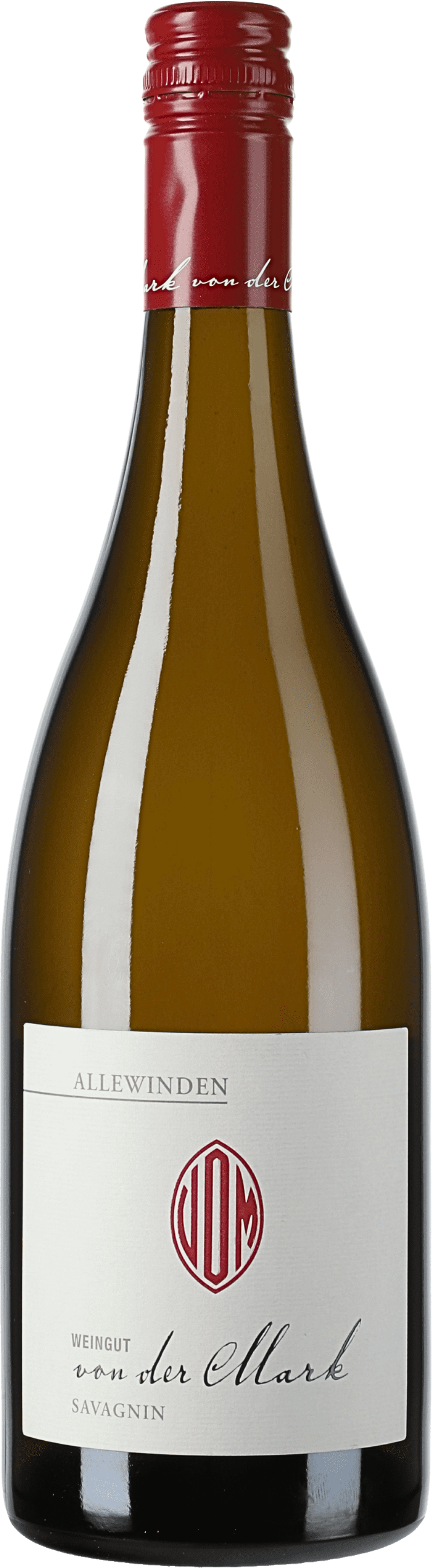
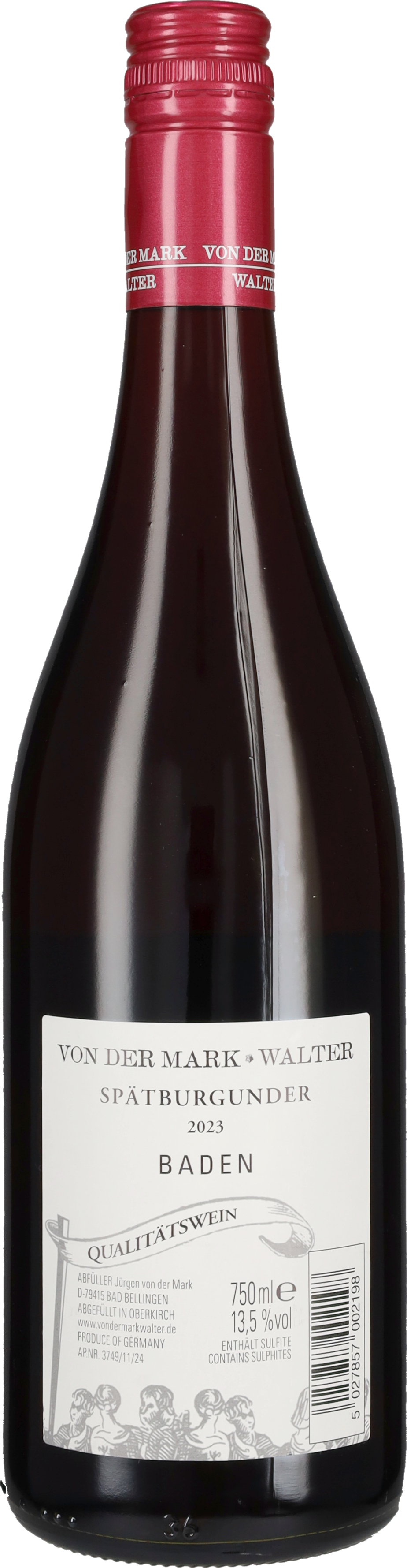
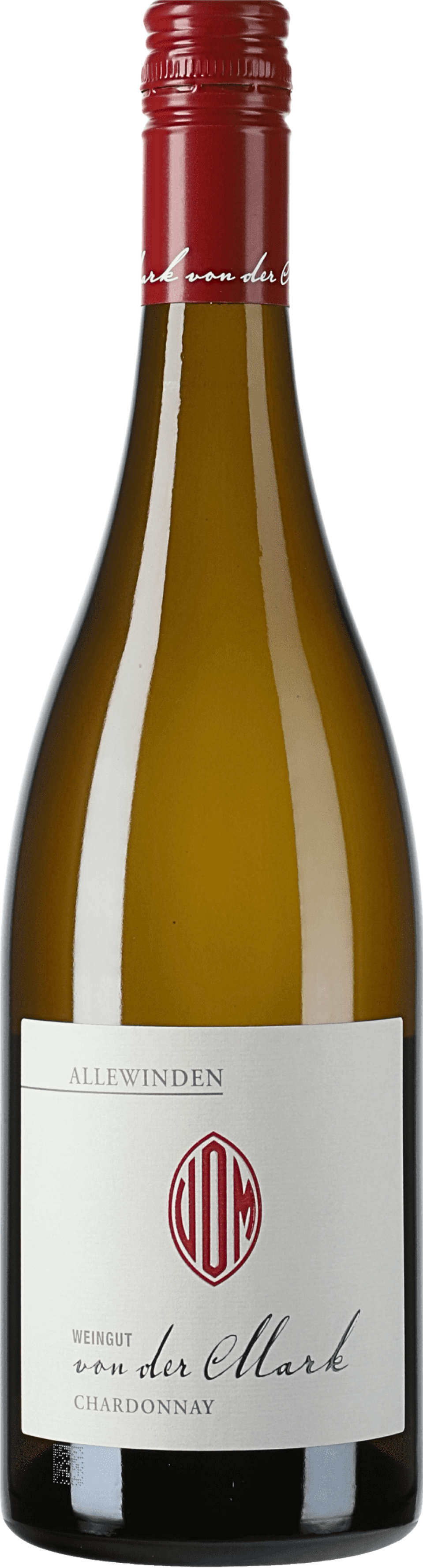
Savagnin Weingut Von Der Mark 2023Il Savagnin 'Allewinden' nasce da uno dei progetti più audaci di Weingut von der Mark, cantina del Baden fondata nel 2003 da Jürgen von der Mark, primo tedesco a conseguire il titolo di Master of Wine nel 1996. Ai piedi della Foresta Nera, nel Markgräflerland, il produttore ha affiancato ai vitigni borgognoni che guidano da sempre la sua produzione varietà meno consuete, tra cui il Savagnin, uva della famiglia del Traminer che nel Jura francese trova la propria terra d'elezione. Un'intuizione fuori dagli schemi ha portato Jürgen a scommettere su questo vitigno anche in territorio tedesco, dando vita a un'etichetta che porta il nome del cru 'Allewinden'.Le uve di Savagnin subiscono una pressatura diretta e passano poi in botti di legno francese di piccole dimensioni dove ha luogo la fermentazione alcolica spontanea. Segue la malolattica, che arrotonda la struttura del vino, mentre l'imbottigliamento senza filtrazione preserva intatta la personalità dell'uva e la sua naturale predisposizione a mantenere freschezza anche nelle annate più calde.Il Savagnin 'Allewinden' si presenta di un colore paglierino luminoso e apre su un'espressione ricca di carattere: aromi di pera Williams e mela verde si intrecciano a note di tè bianco, pietra focaia ed erbe di montagna. Al palato la vera sorpresa è una sapidità intensa e avvolgente, che sostiene il sorso insieme alla vivace presenza di lime e mela Granny Smith, per un finale lungo, minerale e mai stancante. Un'etichetta ideale a tavola con pollame e carni bianche, formaggi a pasta molle o caprini, capace di accompagnare con la stessa disinvoltura anche antipasti di pesce e piatti vegetariani.43,70 €*Shipping: 25,00 €Secure redirect to the provider
-
Are Van der Waals forces, London forces, and dispersion forces the same thing?
Yes, Van der Waals forces, London forces, and dispersion forces are often used interchangeably to refer to the same type of intermolecular forces. These forces are the weakest type of intermolecular forces and are caused by temporary fluctuations in electron distribution within molecules. They are responsible for the attraction between non-polar molecules and contribute to properties such as boiling and melting points. **
-
What are Van der Waals bonds?
Van der Waals bonds are weak intermolecular forces that occur between molecules. These bonds are caused by the temporary dipoles that form in molecules due to the uneven distribution of electrons. Van der Waals bonds are responsible for the attraction between molecules and contribute to properties such as boiling and melting points, as well as the physical state of a substance. While they are weaker than covalent or ionic bonds, Van der Waals bonds still play a significant role in determining the behavior of molecules and their interactions with one another. **
-
What is the van der Waals interaction?
Van der Waals interactions are weak attractive forces that exist between molecules. These interactions are caused by fluctuations in electron distribution within molecules, leading to temporary dipoles. The three main types of van der Waals interactions are London dispersion forces, dipole-dipole interactions, and hydrogen bonding. These interactions play a crucial role in determining the physical properties of substances, such as boiling and melting points. **
-
How do Van der Waals forces arise?
Van der Waals forces arise due to the fluctuating electric charges within molecules. These forces are caused by the temporary dipoles that form when the electrons in a molecule are not evenly distributed, creating a temporary imbalance of charge. These temporary dipoles can induce similar dipoles in neighboring molecules, leading to an attractive force between the molecules. Van der Waals forces are responsible for the attraction between non-polar molecules and are weaker than covalent or ionic bonds. **
Similar search terms for Van der Waals Dispersion
-
What are Van der Waals forces in chemistry?
Van der Waals forces are weak intermolecular forces that occur between atoms and molecules. These forces are responsible for the attraction and repulsion between molecules, and they play a significant role in determining the physical properties of substances, such as boiling and melting points. Van der Waals forces include dipole-dipole interactions, London dispersion forces, and hydrogen bonding. These forces are important in understanding the behavior of gases, liquids, and solids in chemistry. **
-
What are Van der Waals forces and hydrogen bonds?
Van der Waals forces are weak intermolecular forces that exist between atoms and molecules due to temporary fluctuations in electron distribution. These forces include London dispersion forces, dipole-dipole interactions, and hydrogen bonding. Hydrogen bonds are a specific type of intermolecular force that occurs when a hydrogen atom is covalently bonded to a highly electronegative atom (such as oxygen, nitrogen, or fluorine) and forms an electrostatic interaction with another electronegative atom. Hydrogen bonds are stronger than typical Van der Waals forces and play a crucial role in the structure and properties of many biological molecules, such as DNA and proteins. **
-
What is the Van der Waals equation in chemistry?
The Van der Waals equation is an equation of state in chemistry that accounts for the non-ideal behavior of gases. It is an improvement over the ideal gas law by incorporating corrections for the volume occupied by gas molecules and the attractive forces between them. The equation is expressed as (P + a(n^2/V^2))(V - nb) = nRT, where P is the pressure, V is the volume, n is the number of moles, T is the temperature, a and b are Van der Waals constants, and R is the gas constant. This equation provides a more accurate description of the behavior of real gases under various conditions. **
-
What are the van der Waals forces in ethane?
In ethane, the van der Waals forces are London dispersion forces. These forces are caused by temporary fluctuations in electron distribution within molecules, leading to temporary dipoles. In ethane, the nonpolar nature of the molecule results in weak London dispersion forces being the predominant van der Waals forces present. These forces are responsible for holding ethane molecules together and are weaker than other types of intermolecular forces like hydrogen bonding. **
* All prices are inclusive of VAT and, if applicable, plus shipping costs. The offer information is based on the details provided by the respective shop and is updated through automated processes. Real-time updates do not occur, so deviations can occur in individual cases. ** Note: Parts of this content were created by AI.